

Kinloch, B. 1988. The Shamba raiders: memories of a game warden. Southampton, England, Ashford Press Publishing. pp. 367-393 (Chapter 18: Taking Stock 1987).
 PDF download available
The world's largest online rhinoceros library dedicated to assisting research and conservation efforts globally.
Welcome to the world's largest online rhinoceros library dedicated to assisting research and conservation efforts globally.

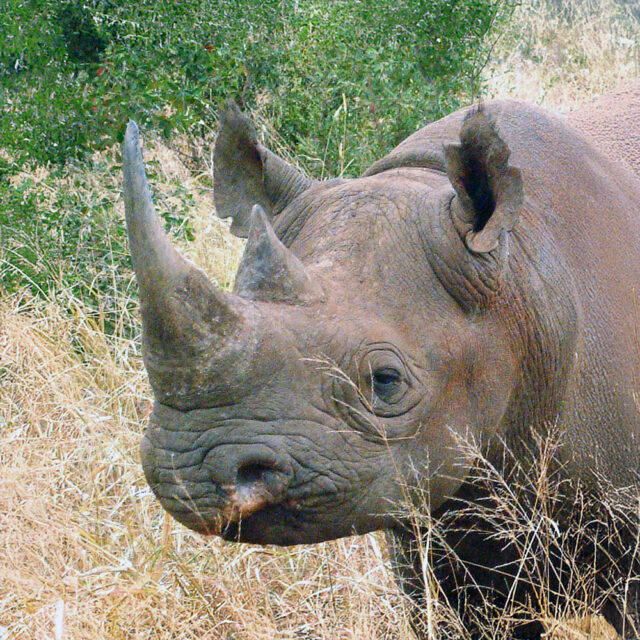
In Swahili the red-billed oxpecker is askari wa kifaru, "the rhino's guard". Research shows the name is earned: a black rhino carrying oxpeckers spots an approaching human every single time.

The Rhino Image Library provides 7749 rhino related images.

The Rhino Document Library contains a total of 30655 references.
PDF download available
 PDF download available
PDF download available
PDF download available
PDF download available
PDF download available
PDF download available
PDF download available
PDF download available
PDF download available
PDF download available
PDF download available
PDF download available
PDF download available
PDF download available
PDF download available
PDF download available
PDF download available
PDF download available
PDF download available


The Rhinoceros of South Asia – DISCOUNT
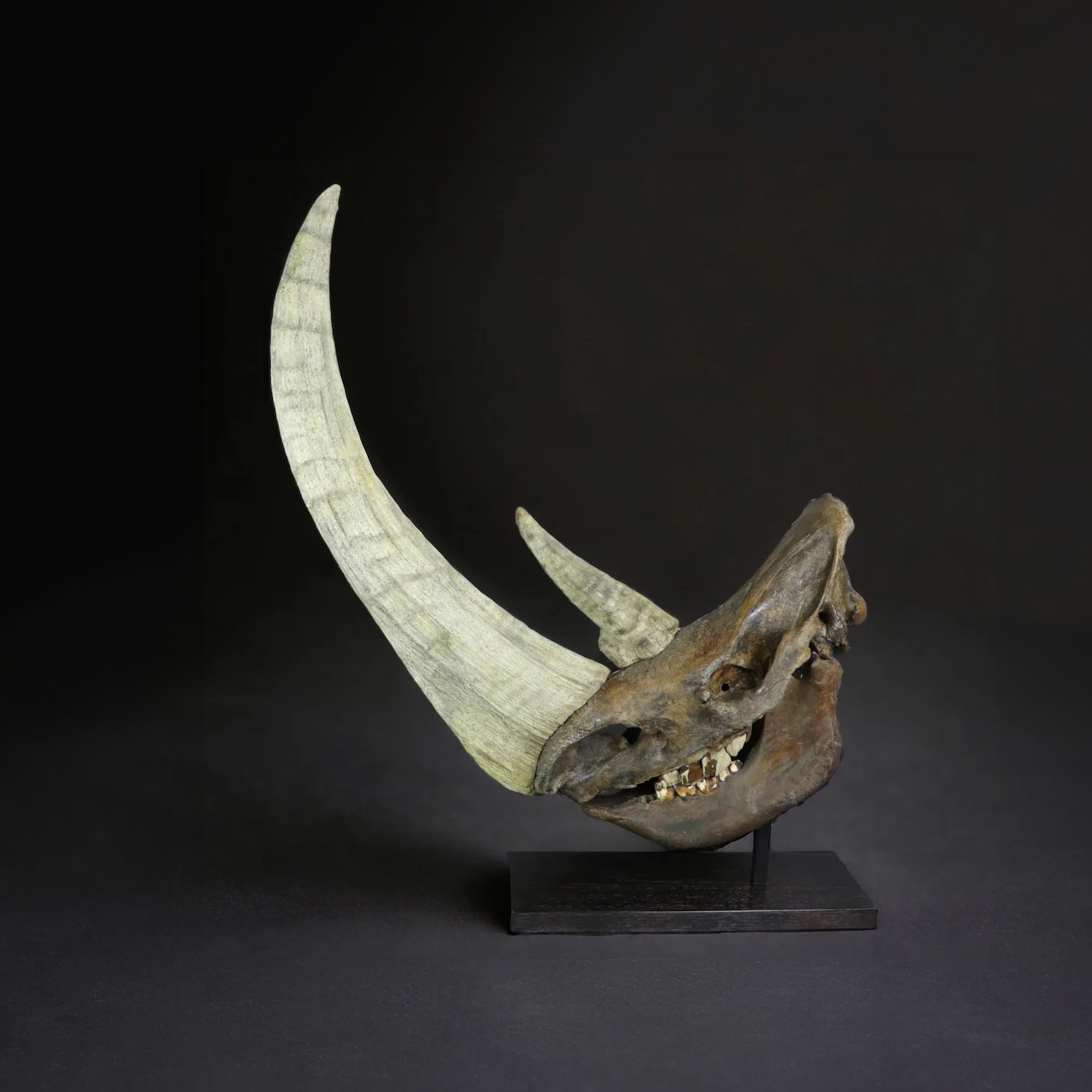
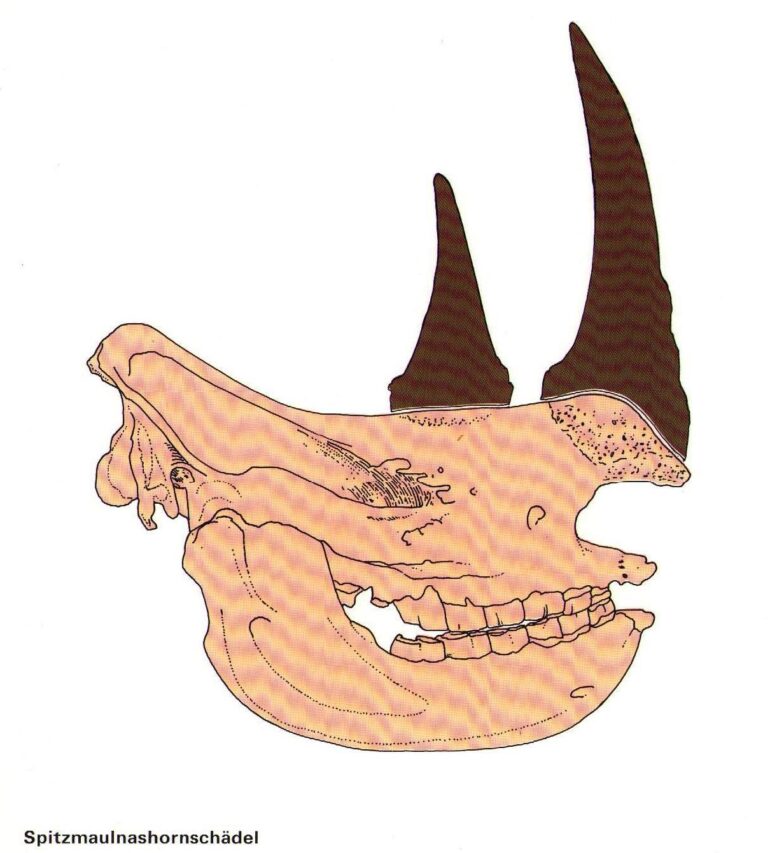
A book by Kees Rookmaaker with chapters by Joachim K. Bautze and Kelly Enright.Elasmotherium sibiricum, the so-called Siberian unicorn, weighed up to 3.5 tonnes and carried a single enormous horn. It was long thought to have died out 200,000 years ago. Radiocarbon dating now shows it survived until at least 39,000 years ago.